
If you have been told that you need a bone graft before dental implant treatment, you may be wondering, how long does it take to heal after a dental bone graft? While the gums may begin to recover within one to two weeks, the grafted bone usually needs several months to develop and integrate with the surrounding jawbone.
The exact healing timeline depends on the size and location of the graft, the type of graft material used, your overall health, and whether additional procedures are performed. Understanding the recovery process can help you know what is normal and when to contact your dental specialist.
How Long Does It Take to Heal After a Dental Bone Graft?
Initial recovery after a dental bone graft often takes about one to two weeks, but the bone may need at least three to six months to heal and mature. Larger or more complex grafts may require additional time.
The recovery process occurs in stages. The gum tissue may feel better relatively quickly, while the grafted area continues developing beneath the gums. Your dental specialist may use follow-up examinations and imaging to determine when the area has healed sufficiently for the next stage of treatment.
Some patients may be ready for dental implant placement after a few months. Others may need a longer healing period, especially when a larger graft or sinus augmentation is involved.
Why Is a Dental Bone Graft Needed?
A dental bone graft may be recommended when there is not enough healthy jawbone to support a dental implant or maintain the structure of the jaw.
Bone loss can occur because of:
- Tooth loss
- Advanced gum disease
- Infection
- Injury or trauma
- Long-term denture use
- Natural changes after a tooth has been missing
When a tooth is lost, the jawbone in that area may gradually lose volume because it no longer receives stimulation from the tooth root. A bone graft can help rebuild or preserve the area and create a more stable foundation for future treatment.
Bone grafting may be performed after a tooth extraction, before dental implant placement, or as part of treatment for certain periodontal conditions. The type of graft depends on the patient’s oral health and treatment goals.
What Happens During Dental Bone Graft Healing?
Dental bone graft healing is not a single event. It is a gradual process in which the body repairs the surgical area and develops new bone around the graft material.
Days 1–3: Early Recovery
During the first few days, mild swelling, tenderness, bruising, or minor bleeding may occur. Swelling may be most noticeable during the first two to three days before gradually improving.
Your dental specialist may recommend:
- Applying an ice pack to the outside of the face
- Taking prescribed or recommended medications
- Eating soft foods
- Keeping your head elevated while resting
- Avoiding pressure on the surgical area
Follow your provider’s specific instructions because recovery recommendations may vary based on the type and location of the graft.
Days 4–7: Symptoms Begin to Improve
Many patients notice that swelling and discomfort begin to decrease during the first week. You may be able to return to many normal daily activities, depending on how you feel and the complexity of the procedure.
The surgical area may still be sensitive. Avoid chewing directly on the graft site unless your dental specialist says it is safe.
Weeks 2–4: Gum Tissue Continues Healing
The gums continue closing and strengthening around the grafted area. If non-dissolving sutures were used, they may be removed during a follow-up appointment.
Even when the gums appear healed, the bone underneath is still developing. The absence of pain does not necessarily mean the graft has completed the healing process.
Months 3–6: Bone Development and Integration
During this stage, the graft material and surrounding bone continue to integrate. Depending on the procedure, your dental specialist may evaluate the area with imaging before recommending dental implant placement.
Six Months or Longer: Complex Graft Healing
Larger grafts, ridge augmentation procedures, or certain sinus grafts may require additional healing time. Some cases may need several months before the bone is ready for an implant. The American Academy of Periodontology notes that bone development before implant placement may range from approximately four to 12 months, depending on the procedure and individual needs.
What Affects Dental Bone Graft Healing Time?
Healing timelines vary because every patient and procedure is different. Several factors may influence recovery.
Size and Location of the Graft
A small graft placed after a tooth extraction may heal differently from a larger graft used to rebuild a section of the jaw. Grafts in certain areas may require more time to develop adequate bone volume.
Type of Bone Graft
Bone grafts may use material from the patient, a human donor source, an animal source, or a synthetic material. Different materials may behave differently during the healing process.
Overall Health
General health, nutrition, certain medical conditions, and medications may influence how the body heals. Share your complete medical history with your dental specialist before treatment.
Tobacco Use
Smoking and tobacco use may interfere with blood flow and healing. Avoiding tobacco before and after surgery may support better healing and reduce complications.
Oral Hygiene
Keeping the mouth clean is important, but the surgical area should not be disturbed. Your dental specialist may recommend a specific brushing technique or antimicrobial rinse during recovery.
Is a Dental Bone Graft Painful?
Most patients experience mild to moderate soreness, tenderness, or swelling after a dental bone graft. Local anesthesia is typically used during the procedure, so you should not feel pain while the area is being treated.
After the anesthesia wears off, discomfort is often manageable with medications recommended or prescribed by your dental specialist. Symptoms should gradually improve rather than become more severe.
Contact your dental provider if pain increases after initially improving or is accompanied by fever, worsening swelling, or drainage.
What Should You Eat After a Dental Bone Graft?
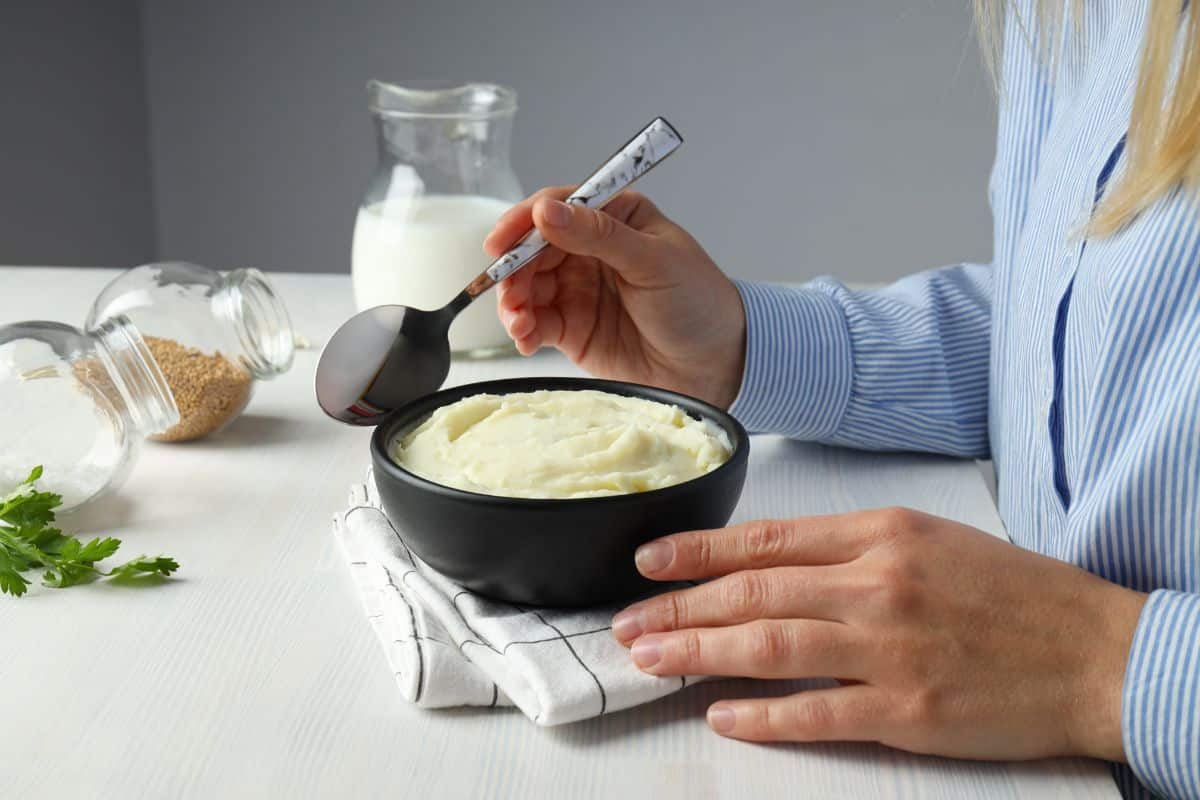
Soft foods are generally easier to manage during the early recovery period. Choose foods that require little chewing and avoid placing pressure on the surgical site.
Examples may include:
- Yogurt
- Scrambled eggs
- Mashed potatoes
- Oatmeal
- Smooth soups that are not too hot
- Applesauce
- Soft pasta
- Smoothies eaten without a straw if instructed
Avoid hard, crunchy, sticky, or sharp foods until your dental specialist says they are safe. Foods such as chips, nuts, popcorn, and hard crusts may irritate or disturb the healing area.
What Should You Avoid During Recovery?
Following your post-operative instructions can help protect the graft.
You may be advised to avoid:
- Smoking or vaping
- Drinking through a straw
- Vigorous rinsing or spitting
- Touching the graft with your fingers or tongue
- Chewing directly on the treated area
- Heavy exercise during the first few days
- Alcohol while taking certain medications
Do not attempt to remove material from the graft site. Small particles may occasionally be noticed during the first few days, but contact your dental specialist if you believe a large amount of graft material has been lost.
When Can Dental Implants Be Placed After a Bone Graft?
The timing depends on the type of graft and the amount of new bone needed.
Some dental implants may be placed at the same time as a bone graft, while other cases require several months of healing before implant placement.
Your dental specialist may use X-rays or 3D imaging to evaluate the bone before moving forward. The goal is to place the implant when the jaw has enough healthy, stable bone to support it.
For patients seeking periodontics Lubbock, a personalized evaluation is the most reliable way to determine the expected healing timeline. Your treatment plan should be based on the condition of your jawbone, the location of the graft, and your future restorative needs.
When Should You Contact Your Dental Specialist?
Mild swelling and tenderness can be normal after surgery, but contact your dental provider if you experience:
- Pain that becomes severe or continues to worsen
- Swelling that increases after the first few days
- Persistent or heavy bleeding
- Pus or unusual drainage
- A fever of 101°F or higher
- A foul taste or odor that does not improve
- A large amount of graft material coming out
- Difficulty breathing or swallowing
If you have difficulty breathing or swallowing, seek emergency medical care immediately.
Healing Takes Time, but Every Case Is Different
So, how long does it take to heal after a dental bone graft? Initial recovery often takes one to two weeks, while the grafted bone may require several months to mature and integrate. Larger or more complex procedures may take longer.
Following your post-operative instructions, maintaining good oral hygiene, avoiding tobacco, and attending follow-up visits can support the healing process.
Lubbock Perio & Implant Center is located at 4415 66th St STE 112. If you have questions about bone graft recovery or want to discuss your treatment options, call (806) 589-4094 to schedule an evaluation.
Frequently Asked Questions
1. How long does swelling last after a dental bone graft?
Swelling is often most noticeable during the first two to three days and should gradually improve over the following week. Contact your dental specialist if swelling becomes worse rather than better.
2. Can I brush my teeth after a dental bone graft?
You can usually continue cleaning the rest of your mouth, but you may need to avoid brushing directly over the surgical site for a period of time. Follow the instructions provided by your dental specialist.
3. Can I return to work after a dental bone graft?
Many patients can return to desk work within a day or two, depending on the procedure and how they feel. More physically demanding activities may need to be delayed.
4. How do I know if my dental bone graft is healing properly?
Gradually improving discomfort and swelling are generally positive signs. Your dental specialist will confirm healing through follow-up examinations and, when needed, dental imaging.
5. Can a dental bone graft fail?
Complications are possible, although many bone grafts heal successfully. Following aftercare instructions and attending follow-up appointments can help your dental specialist monitor the graft and address concerns early.