
Have your gums started bleeding when you brush, pulling away from your teeth, or feeling tender and swollen? These changes can be signs of periodontal disease, an infection that affects the tissues supporting your teeth. Without proper care, the condition can progress and affect the bone around the teeth.
For patients concerned about conventional gum surgery, laser periodontal therapy in Lubbock may offer an alternative treatment option. At our practice, Dr. Mbadu evaluates the extent of gum disease before recommending an appropriate approach. Laser technology can help target infected tissue while preserving surrounding healthy tissue in appropriate cases. This article explains how the procedure works, its potential benefits, recovery, and when professional periodontal care may be necessary.
What Is Laser Periodontal Therapy?
Laser periodontal therapy uses focused laser energy as part of treatment for periodontal disease. Depending on the laser system and clinical protocol, it may help remove diseased tissue and reduce bacteria within periodontal pockets.
The goal is not simply to treat bleeding gums. Periodontal treatment focuses on controlling infection and creating conditions that allow the gums and supporting structures to heal.
Laser treatment is not appropriate for every case. A periodontal evaluation, including gum pocket measurements and dental imaging when indicated, helps determine the extent of disease and the right treatment approach.
How Does Laser Treatment for Gum Disease Work?
Treatment begins with a detailed examination. A trusted periodontist evaluates gum inflammation, pocket depth, tooth stability, bone support, and other signs of periodontal damage.
A laser-based periodontal procedure may involve several steps:
- Assessment of periodontal pockets: The depth around each tooth is measured to identify areas of concern.
- Treatment of diseased tissue: Laser energy is directed into the periodontal pocket to target inflamed or infected tissue.
- Removal of deposits: Specialized instruments can remove plaque and hardened tartar from tooth roots.
- Management of the treated pocket: Depending on the protocol, laser energy may be used again as part of the healing process.
- Follow-up care: Periodontal maintenance helps monitor healing and control future bacterial buildup.
Some protocols, including LANAP, combine laser technology with established periodontal treatment principles.
What Are the Benefits of Laser Periodontal Therapy?
One reason patients ask about laser periodontal therapy is its minimally invasive approach. Compared with conventional periodontal surgery, certain laser procedures may require less manipulation of healthy gum tissue.
Potential benefits can include:
- Less bleeding during treatment
- Reduced swelling and postoperative discomfort
- Preservation of healthy gum tissue
- No traditional scalpel incisions in some protocols
- No sutures with certain laser procedures
- Faster return to routine activities for some patients
Research involving LANAP has reported less postoperative discomfort, swelling, and tissue recession compared with conventional approaches, although treatment results depend on the individual case.
Patients should remember that “laser treatment” is a broad term. Different dental lasers and protocols serve different purposes. A professional evaluation is necessary to determine which approach is clinically appropriate.
Laser Gum Treatment vs. Traditional Surgery
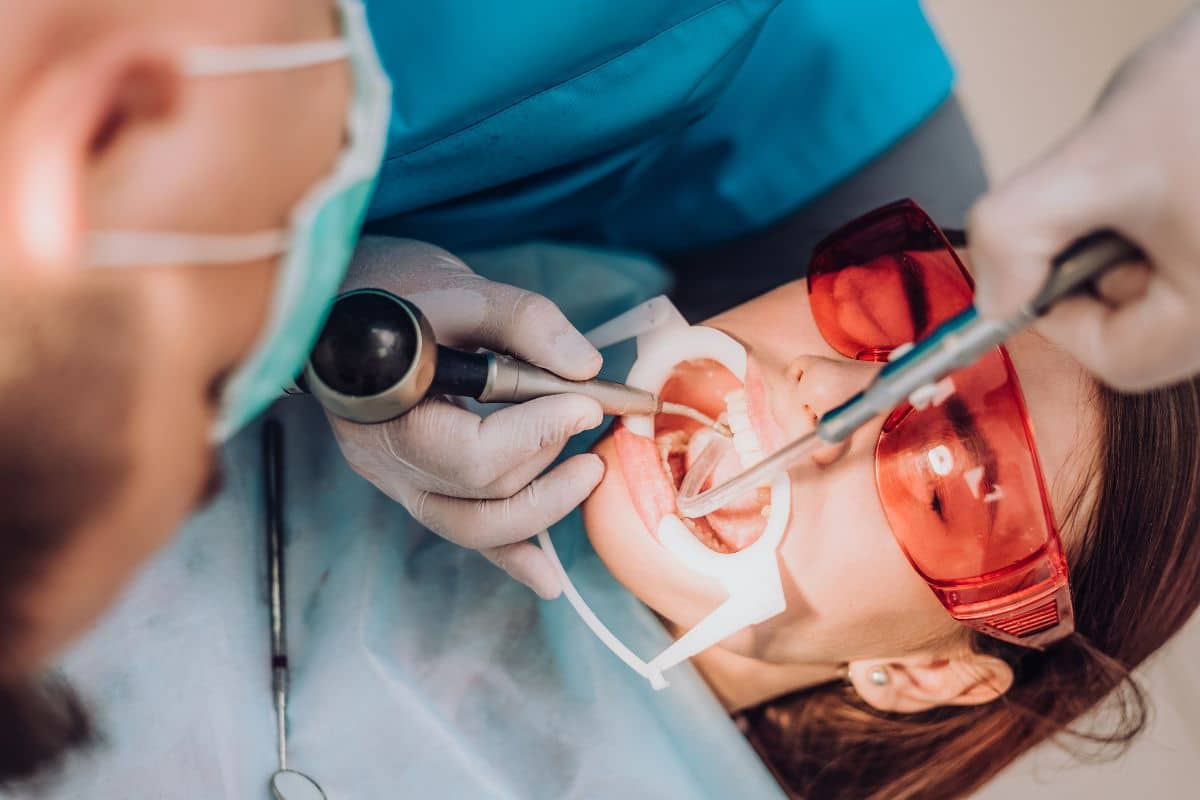
Traditional periodontal surgery may require carefully incising the gum tissue to allow the clinician to access deeper areas around the tooth roots and bone. It remains an important treatment for certain forms of advanced periodontal disease.
Laser-based treatment follows a different approach. Some protocols allow the clinician to treat diseased areas without conventional cutting and suturing.
Neither option should automatically be considered right for every patient. Disease severity, bone loss, pocket depth, tooth anatomy, medical history, and previous treatment all influence the decision. If you are unsure which option applies to you, contact us for a periodontal evaluation.
Who May Need Laser Treatment for Gum Disease?
Persistent bleeding, gum recession, swollen gums, loose teeth, chronic bad breath, or deep periodontal pockets deserve professional evaluation.
Patients who have already undergone scaling and root planing may also need further treatment when deep pockets or active periodontal disease remain.
A trusted periodontist in Lubbock can determine whether nonsurgical periodontal care, laser treatment, periodontal surgery, or another approach is appropriate. Patients from Lubbock and surrounding West Texas communities can benefit from having the condition evaluated from the dental office before deciding on treatment.
What Is Recovery Like After Laser Periodontal Treatment?
Recovery varies according to the procedure performed and the severity of the disease. Some patients experience mild soreness, tenderness, or temporary changes in the appearance of their gums.
Certain laser protocols allow patients to resume routine activities relatively quickly. However, the treated tissues still need time to heal.
Your postoperative instructions may include changes to brushing, flossing, diet, or chewing around treated areas. Follow the instructions provided by your periodontal team rather than following general advice online.
Periodontal maintenance also remains essential. Treating active disease does not remove the need for daily plaque control and professional follow-up.
Can Gum Disease Return After Laser Treatment?
Yes, periodontal disease can become active again when harmful bacterial buildup and other risk factors are not adequately controlled.
Long-term care may include regular periodontal maintenance, effective brushing and interdental cleaning, and monitoring of periodontal pockets. Smoking and certain health conditions can also influence periodontal health and healing.
This ongoing maintenance is an important part of periodontics Lubbock patients should consider when planning treatment. The objective is not only to treat the current infection but also to protect periodontal health over time.
Get Your Gum Health Professionally Evaluated
Bleeding or receding gums should not be ignored, especially when symptoms continue despite routine oral care. The appropriate treatment depends on how far periodontal disease has progressed and which tissues have been affected.
At Lubbock Perio & Implant Center, Dr. Mbadu provides periodontal evaluations and treatment planning based on each patient’s clinical findings. If you want to know whether laser periodontal therapy in Lubbock is appropriate for your condition, visit our dental office and schedule an evaluation. An early professional assessment can help you understand your options and make an informed decision about protecting your gums and supporting your teeth.
Frequently Asked Questions
- Is laser treatment painful for gum disease?
Local anesthesia may be used to keep the treatment area comfortable. Some patients report soreness or tenderness afterward, but the level of discomfort varies. Because periodontal disease differs from one patient to another, a clinical examination is the safest way to understand what treatment and recovery may involve in your case.
- How long does laser gum treatment take?
Treatment time depends on the number of areas affected, periodontal pocket depth, and the procedure being performed. Some patients may need treatment divided into appointments. Your periodontal team can provide a clearer timeline after measuring your gum pockets and reviewing the condition of the supporting bone.
- Can laser treatment save a loose tooth?
It depends on why the tooth is loose and how much periodontal support remains. Treating active infection may help stabilize the environment around some affected teeth, but no procedure can guarantee that every tooth can be retained. A periodontal examination can determine the tooth’s prognosis and available treatment options.
- Do gums grow back after laser periodontal treatment?
Periodontal healing is more complex than simply “growing gums back.” Certain treatment protocols aim to support tissue attachment and periodontal regeneration, but results vary according to disease severity and individual healing. A periodontal evaluation can clarify realistic treatment goals based on the amount of gum and bone support remaining.
- Do I still need periodontal cleanings after laser treatment?
Yes, periodontal maintenance remains important after active gum disease treatment. Professional maintenance helps control plaque and tartar and allows your periodontal team to monitor pocket depths, inflammation, and tissue stability. Following the recommended maintenance schedule can play an important role in protecting treatment results.