
Missing teeth can affect more than appearance alone. Many people notice changes in chewing, speech, confidence, and even jaw comfort after losing one or more teeth. Fortunately, modern dentistry offers several reliable ways to restore missing teeth and improve overall oral function.
The best tooth replacement option depends on factors such as the number of missing teeth, bone health, lifestyle preferences, and long-term goals. Some patients want a removable solution, while others prefer a more permanent restoration that feels closer to natural teeth.
For people researching tooth replacement options in West Texas, understanding how each treatment works can make the decision process easier and less overwhelming.
Why Replacing Missing Teeth Matters
When a tooth is lost, the surrounding structures can gradually change over time.
Missing teeth may contribute to:
- Difficulty chewing certain foods
- Teeth shifting out of position
- Jawbone shrinkage
- Bite alignment changes
- Reduced confidence while speaking or smiling
Replacing missing teeth helps support both oral function and long-term dental stability.
Dental Implants
Dental implants are one of the most advanced and long-lasting tooth replacement options available today.
An implant is placed into the jawbone and functions similarly to a natural tooth root. Once healed, it supports a crown, bridge, or denture restoration. Dental implants are designed to look and function similarly to natural teeth while helping preserve jawbone support.
Dental implants may be used to replace:
- One missing tooth
- Multiple missing teeth
- Full arches of teeth
Many patients searching online for dental implants near me are often looking for a solution that feels stable, secure, and natural during everyday activities like eating and speaking.
Benefits of Dental Implants
- Fixed and stable support
- Natural appearance
- Improved chewing ability
- Helps preserve jawbone structure
- Long-term durability with proper care
Implants are especially popular among patients who want to avoid removable appliances.
Implant-Supported Dentures
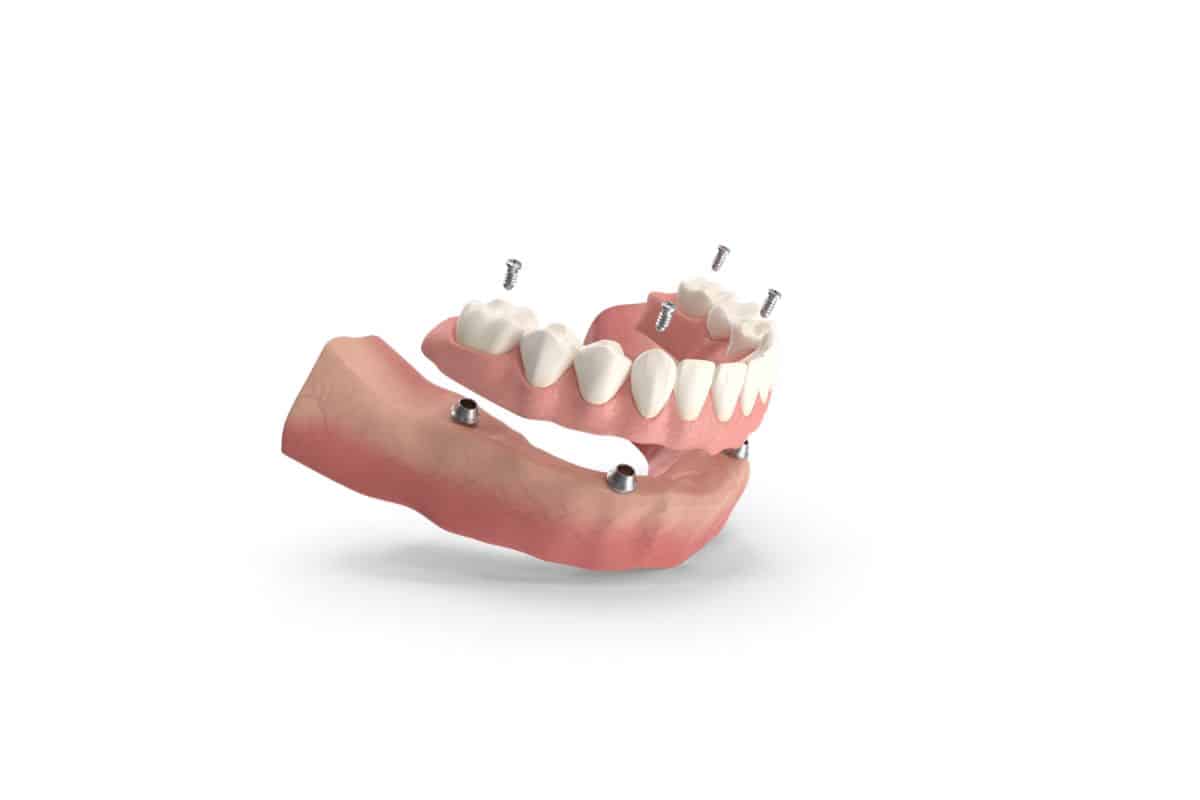
Implant-supported dentures combine traditional dentures with implant stability.
Instead of resting entirely on the gums, the denture attaches to dental implants placed in the jawbone. This helps improve retention and reduces slipping during daily activities.
Patients often choose implant-supported dentures because they may provide:
- Better stability while eating
- Improved speech confidence
- Reduced movement
- More secure fit than traditional dentures
This option is commonly recommended for patients missing many or all teeth.
Traditional Dentures
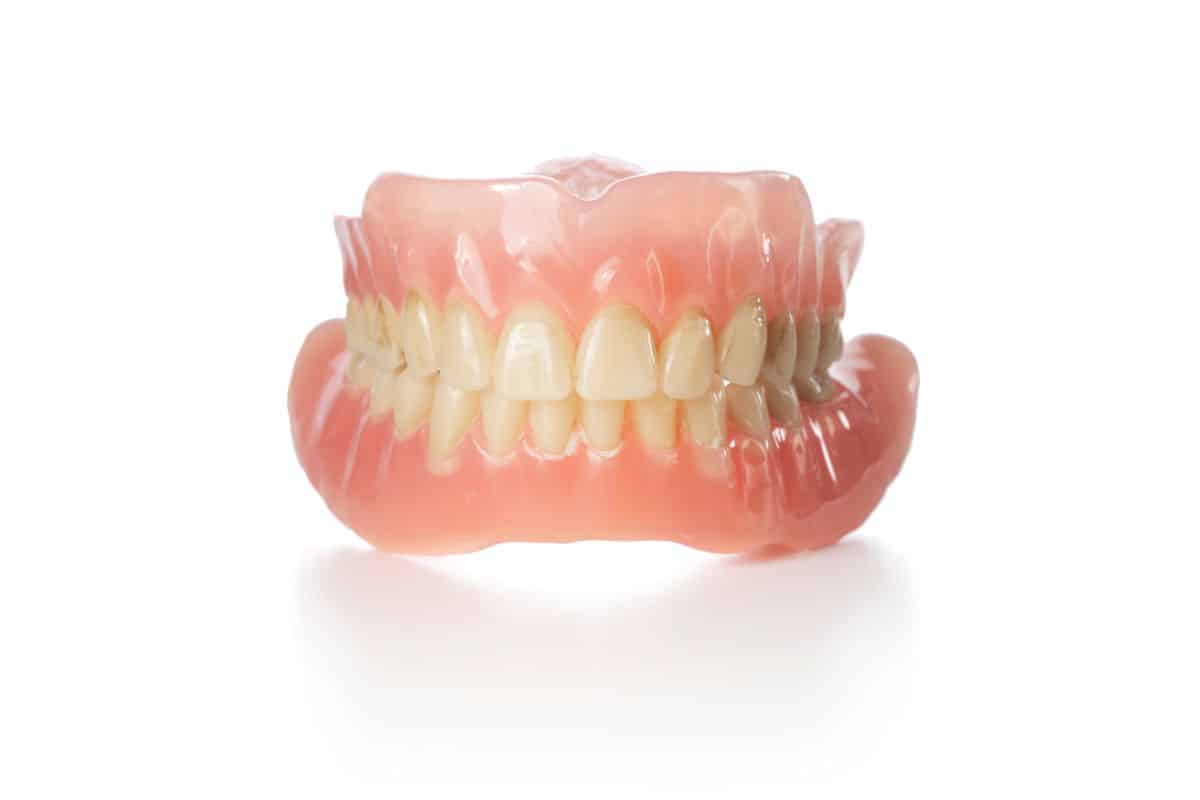
Traditional dentures remain a common and effective option for replacing missing teeth.
Dentures are removable appliances that may replace:
- Full upper teeth
- Full lower teeth
- Several missing teeth
Modern dentures are designed to improve comfort and appearance compared to older styles. They can help restore facial support and improve basic chewing function.
However, because traditional dentures rest on the gums rather than the jawbone, some patients notice:
- Movement while eating
- Pressure spots
- Changes in fit over time
Despite these limitations, dentures remain a practical option for many individuals depending on their needs and budget.
Dental Bridges
Dental bridges replace missing teeth by anchoring artificial teeth to neighboring teeth or implants.
A bridge may be appropriate when:
- One or several teeth are missing
- Adjacent teeth are healthy enough for support
- Patients want a fixed restoration
Bridges can restore appearance and chewing ability while helping maintain spacing between teeth.
Some patients prefer bridges because they do not involve removable appliances.
Full-Arch Implant Solutions
For patients missing most or all teeth, full-arch implant solutions may provide a more permanent restoration option.
These systems use several implants to support an entire arch of replacement teeth. Fixed implant bridges are attached securely and do not require daily removal like traditional dentures.
Patients often appreciate:
- Greater chewing strength
- Stable fit
- Reduced movement
- More natural feel compared to removable dentures
This option is commonly considered for patients seeking long-term full-mouth restoration.
Factors That Help Determine the Best Option
The ideal treatment varies from person to person.
Factors often considered include:
- Number of missing teeth
- Bone density and gum health
- Lifestyle preferences
- Budget considerations
- Long-term maintenance goals
Some patients prioritize permanence and stability, while others prefer lower upfront costs or removable solutions.
Jawbone Health and Tooth Replacement
One major advantage of dental implants is their ability to support jawbone health.
When teeth are missing, the jawbone may gradually lose volume due to lack of stimulation. Dental implants help stimulate the bone similarly to natural tooth roots, which may help preserve facial structure over time.
Traditional dentures do not provide the same level of bone stimulation.
Which Option Feels Most Natural?
Many patients report that implants feel closer to natural teeth because they are anchored directly into the jawbone.
This often allows:
- More natural chewing pressure
- Better speech clarity
- Less movement during meals
- Improved comfort throughout the day
However, the “best” option depends on individual needs, oral health conditions, and treatment goals.
Tooth Replacement Care
Tooth replacement decisions often involve balancing comfort, function, long-term stability, and oral health needs.
At Lubbock Perio & Implant Center in Lubbock, Texas, treatment planning focuses on helping patients understand different replacement options based on jaw health, bone support, and overall restorative goals. Services include dental implants, implant-supported restorations, and other advanced tooth replacement solutions designed to improve function and smile stability.
Schedule a Consultation
If you are exploring tooth replacement options and want to learn which solution may best fit your oral health needs and lifestyle, a professional consultation can help you better understand the available treatments.
To schedule a consultation in Lubbock, Texas, contact us at +1 (806) 589-4094 or visit us.
FAQs
What is the most natural-feeling tooth replacement option?
Many patients feel dental implants provide the closest experience to natural teeth.
Are dentures still a good option?
Yes, dentures remain a reliable tooth replacement option for many patients.
How long do dental implants last?
With proper care and maintenance, implants may last for many years.
Can implants replace all teeth?
Yes, implants may support full-arch restorations for patients missing all teeth.
Do implants help prevent bone loss?
Dental implants help stimulate the jawbone similarly to natural tooth roots.